
Forthcoming
Ahead of the Future Fight, Washington Should
“Enlist” and “Expand” Regional Partnerships for Dollarization

Selected Defense & Strategic Writing
-
![]()
RealClearWorld
Op-ed: Venezuela’s Liberation and a Hemisphere Reclaimed
-
![Three men standing in front of a Panama Canal building. One is wearing a suit, another is in casual clothes with a cap, and the third is in military uniform. The background features a sign with "Canal de Panamá" and a star logo.]()
The Hill
Op-ed: A Monroe Doctrine for the 21st century
-
![Rolled U.S. hundred-dollar bill on a world map background.]()
RealClearWorld
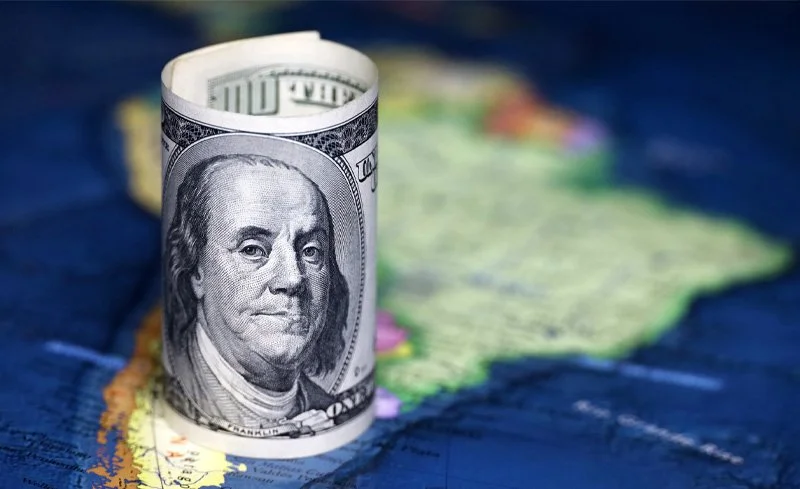
Op-ed: To Beat China, Latin America Should Consider Dollarization
-
![Agile Acquisition Now: Lessons from Ukraine]()
Proceedings
Article: Agile Acquisition Now: Lessons from Ukraine
-
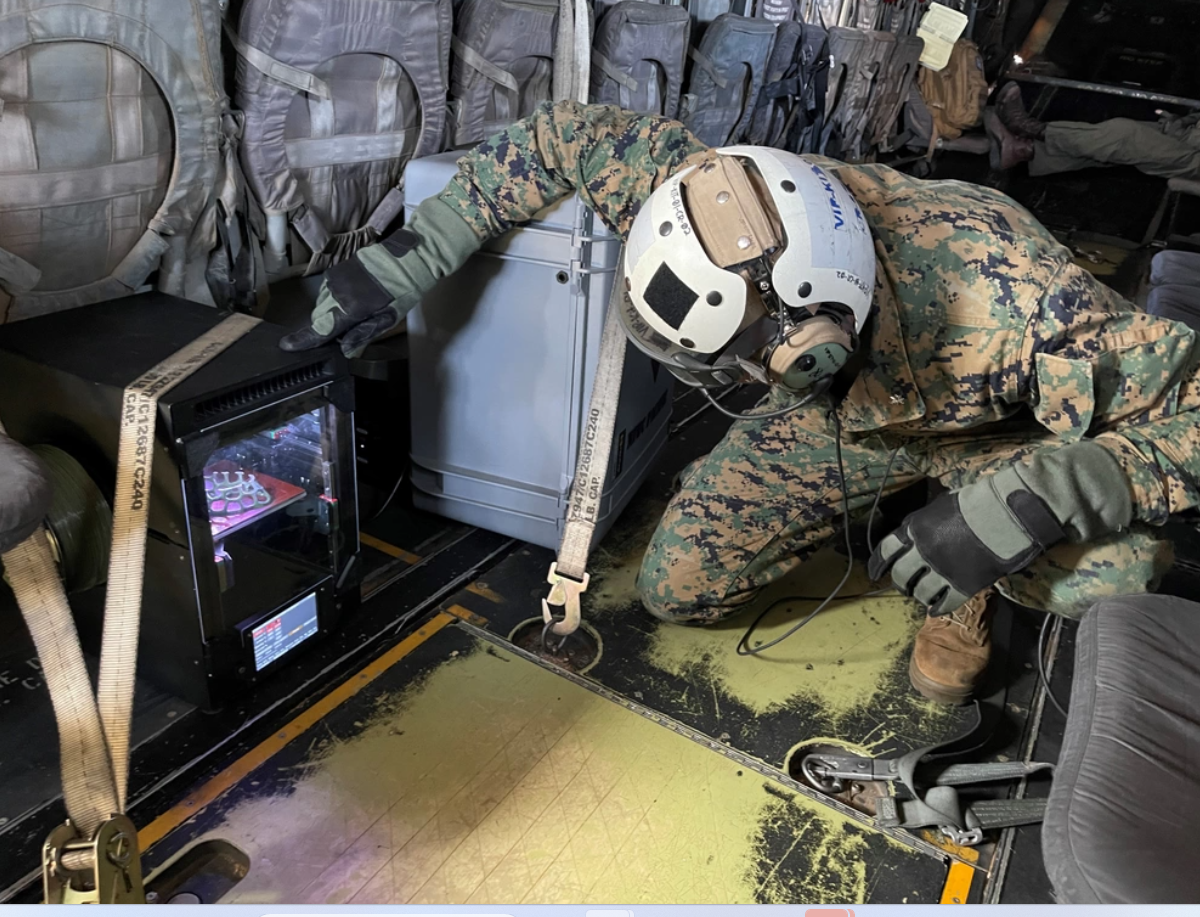
![A person in military camo gear inside a helicopter, observing a 3D printer secured to the floor.]()
Seapower Magazine
Article: How Marines are 3D Printing Lethality Behind Enemy Lines
Co-authored with Col. Paul Gillikin and CWO3 Matt Pine, USMC
-
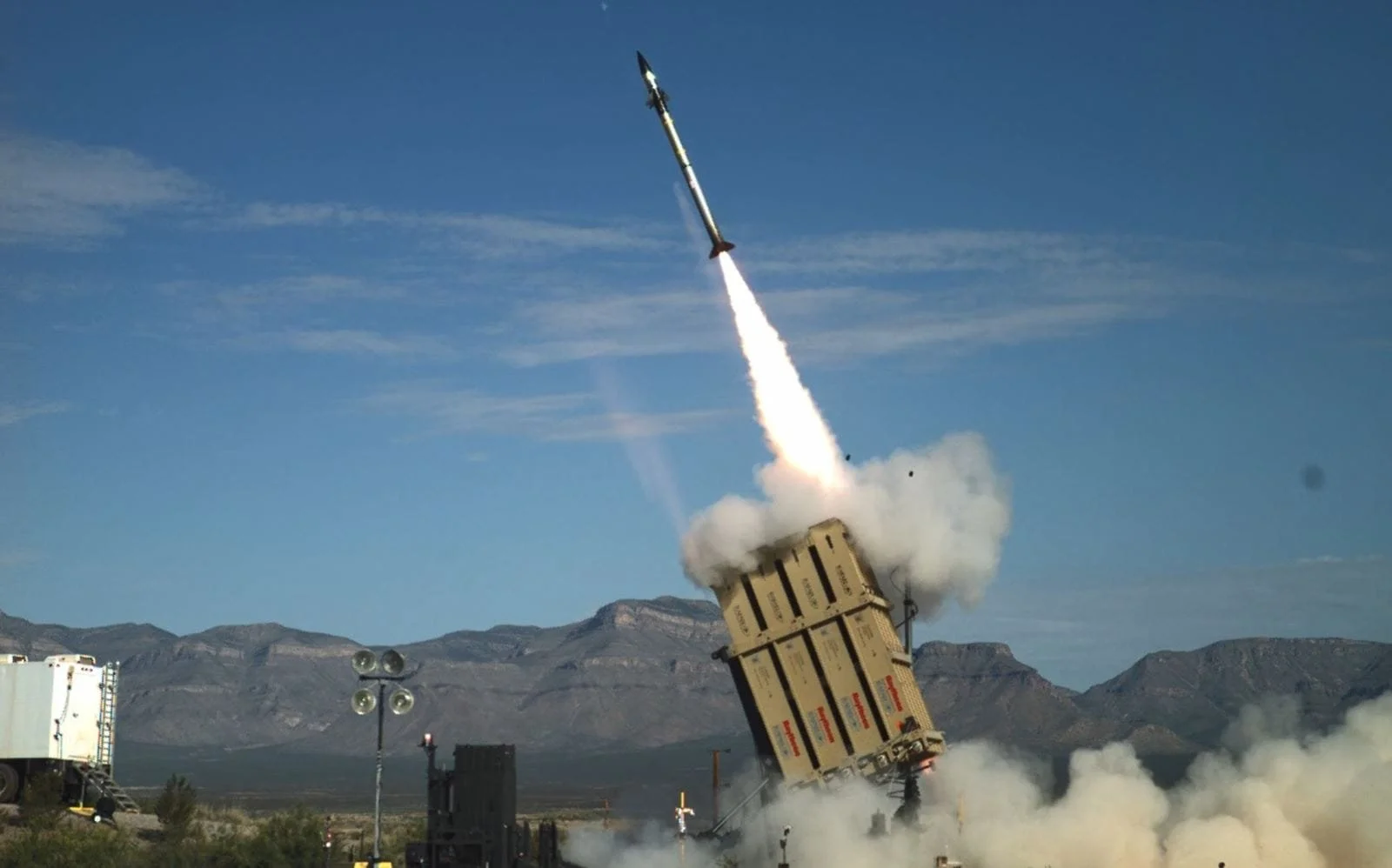
![MRIC, Medium Range Intercept Capability marines force design]()
Marines.mil
Article: MRIC and the Rebirth of the Corps’ Air Defense Capability
-
![additive manufacturing, 3D printing, commandant marine corps]()
Marines.mil
Article: Forging the Future: How Advanced Manufacturing Is Revolutionizing Marine Corps Logistics
-
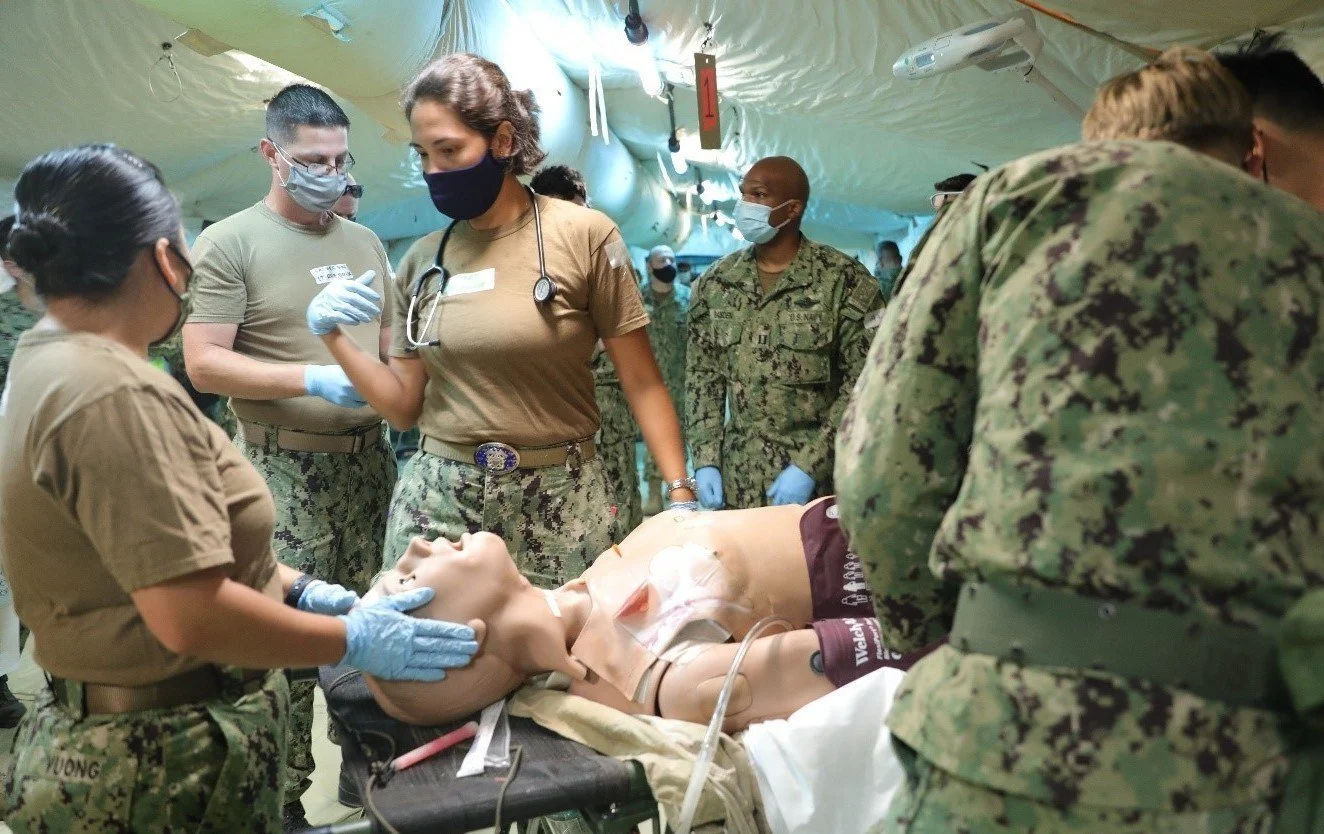
![DCR/DCS medical littoral force design pacific]()
Navy.mil
Article: Expeditionary Medical Systems: Increasing Warfighter Survivability in Littoral Combat
-
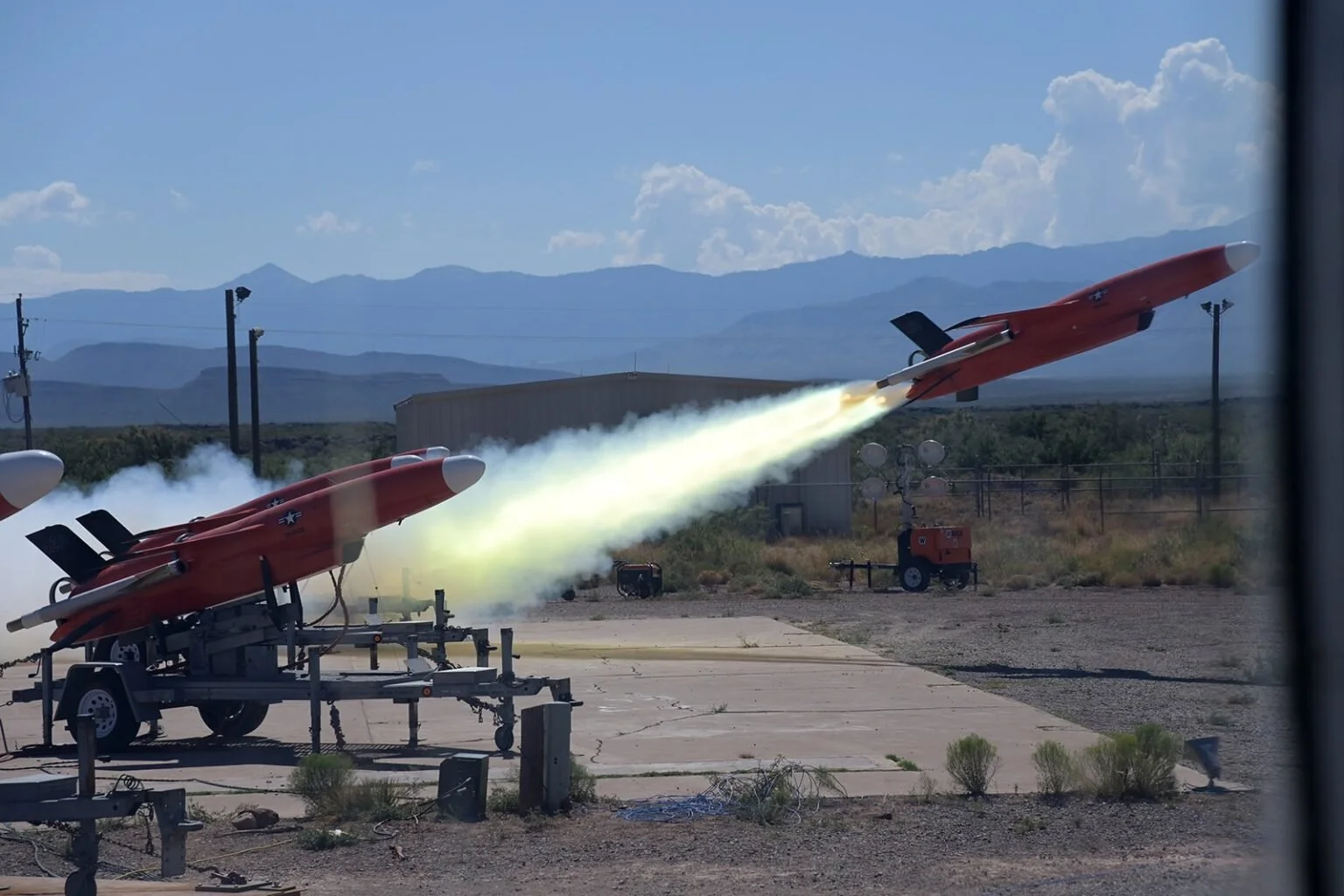
![Article: Force Design 2030: Acquisition for the Future Battlefield]()
Seapower Magazine
Article: Force Design 2030: Acquisition for the Future Battlefield
-
![]()
ADN America
Report: Latin America's 'Socialist, Authoritarian Wave' is Inviting Hostile Regimes into the Hemisphere
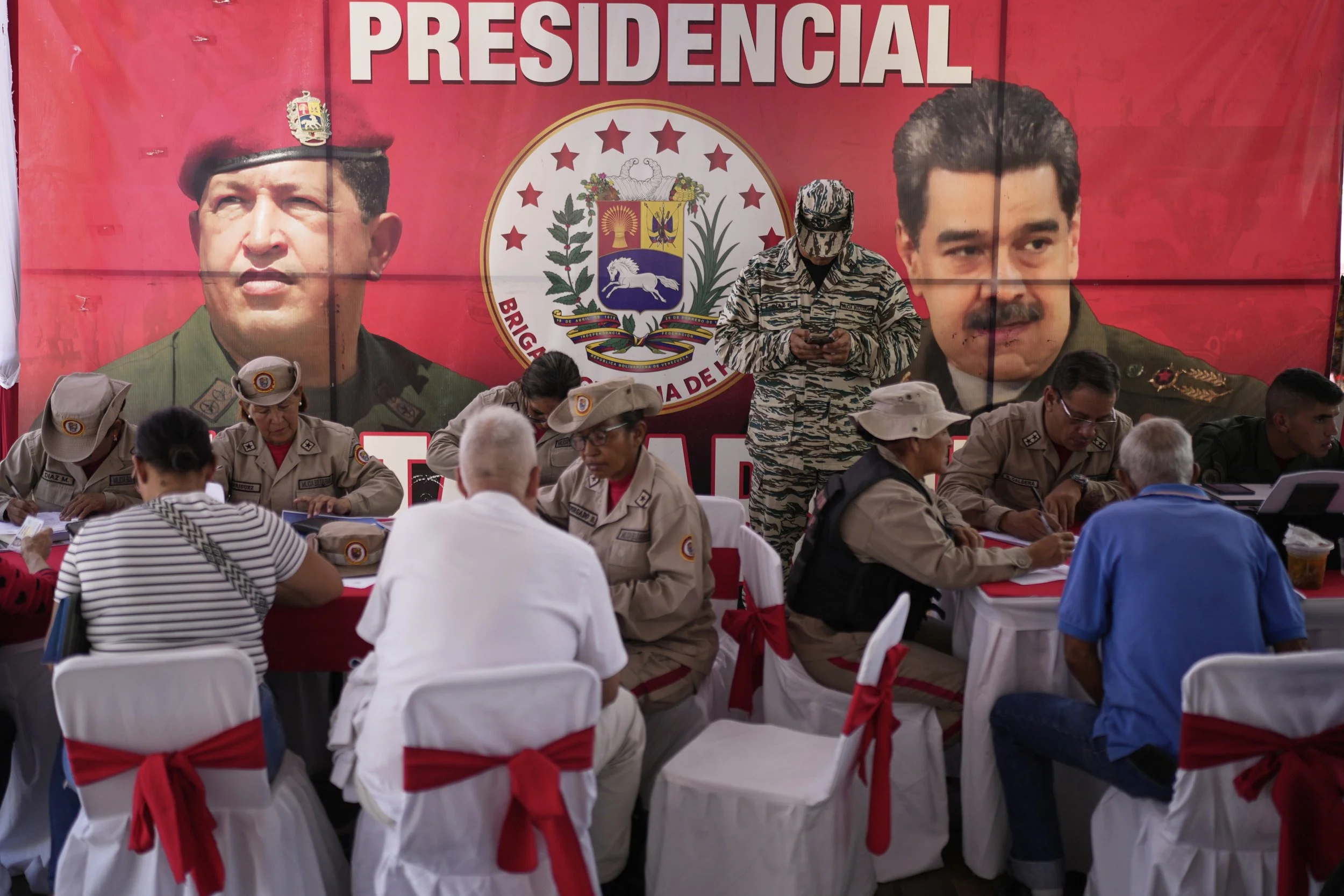
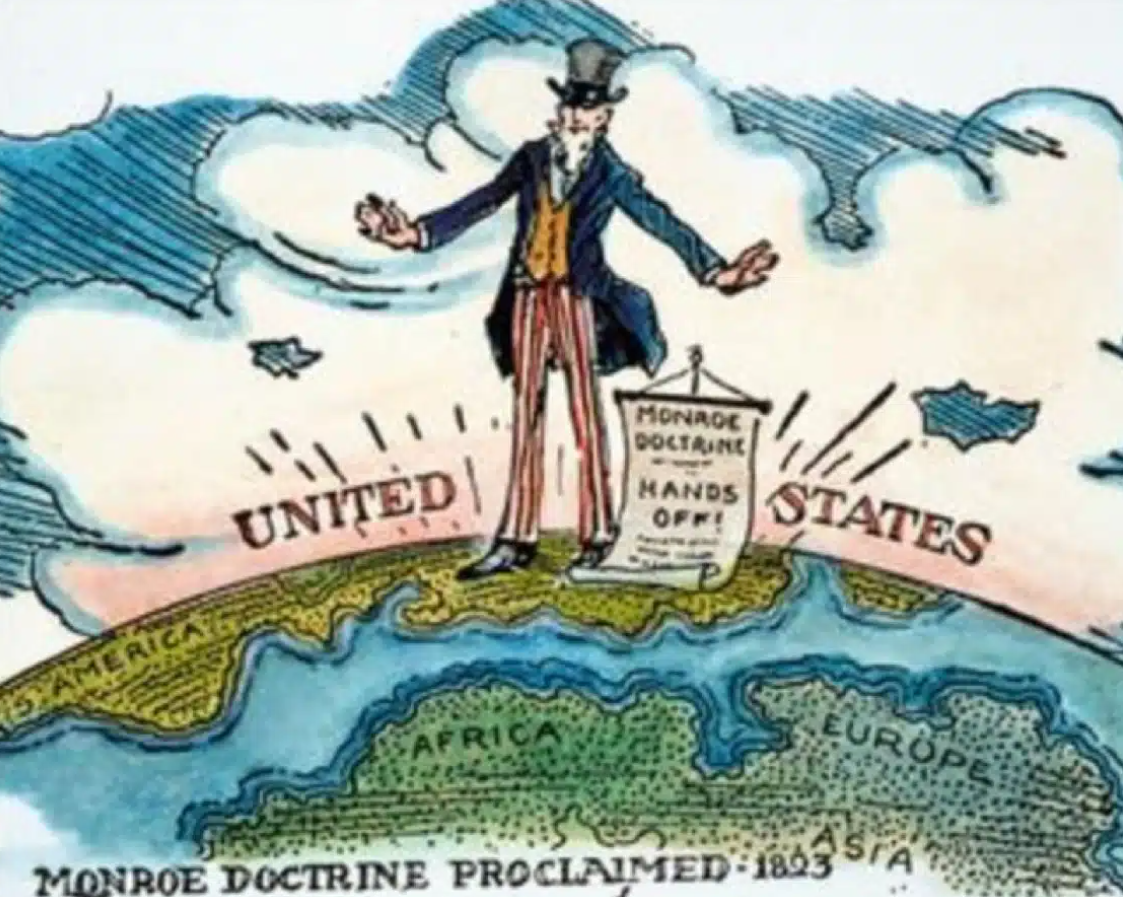

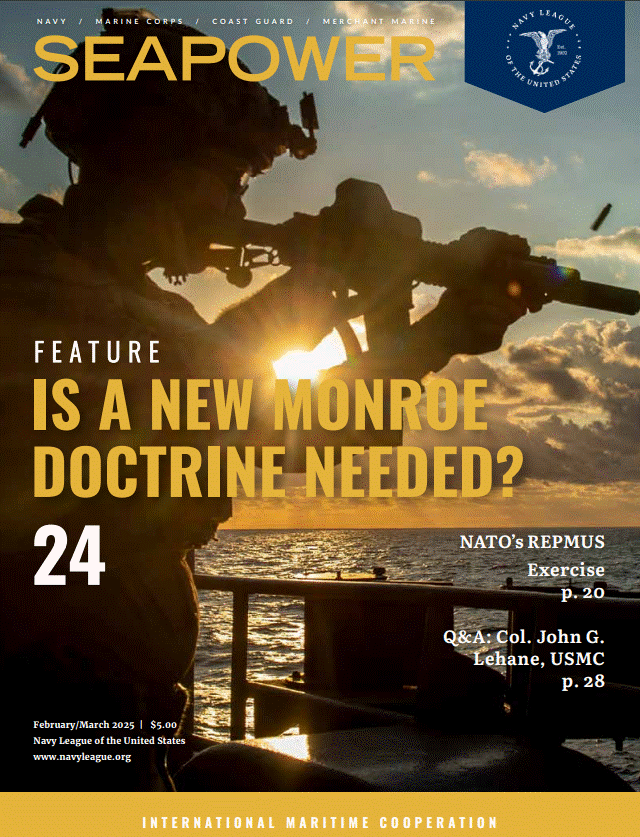
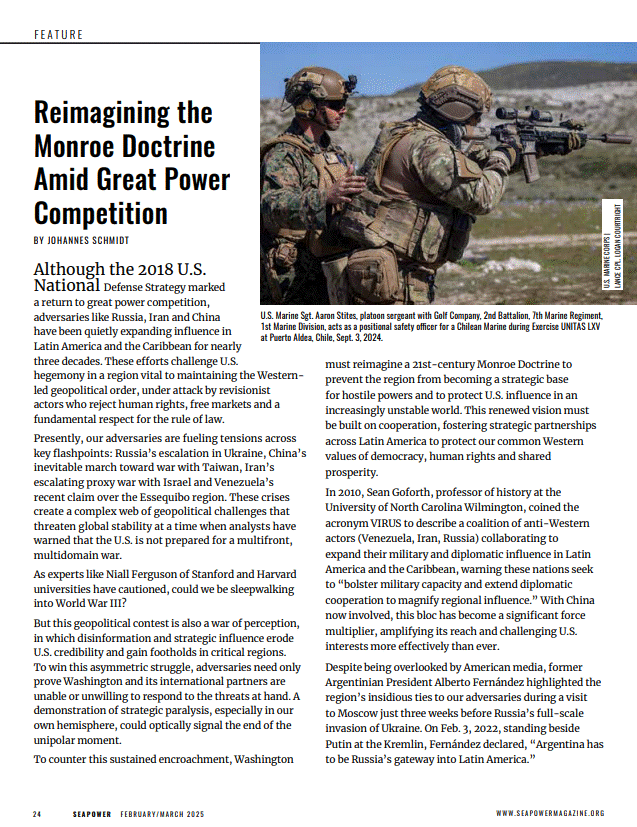
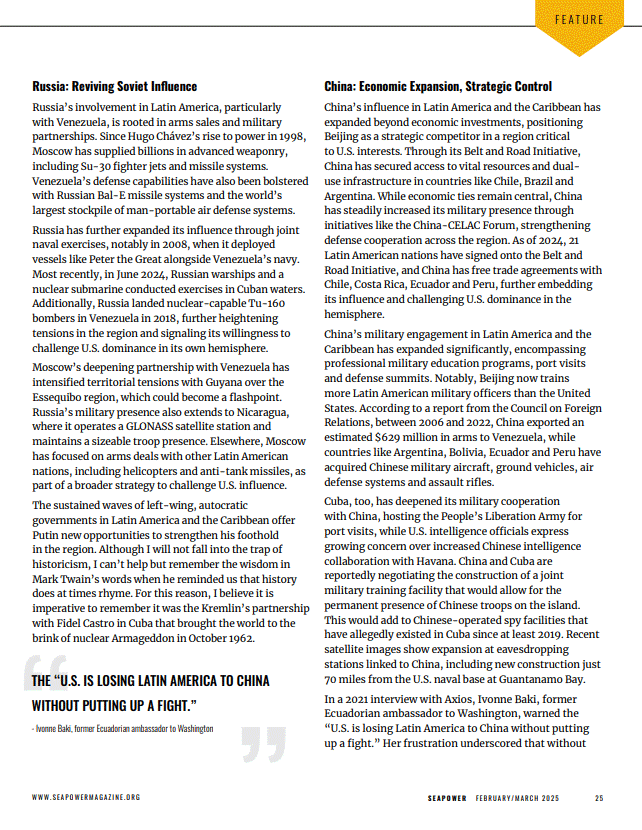
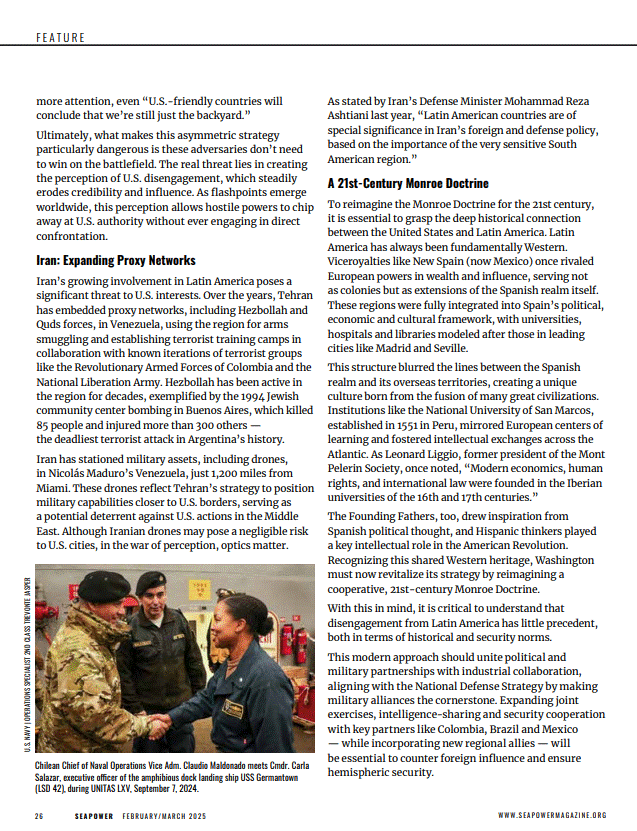
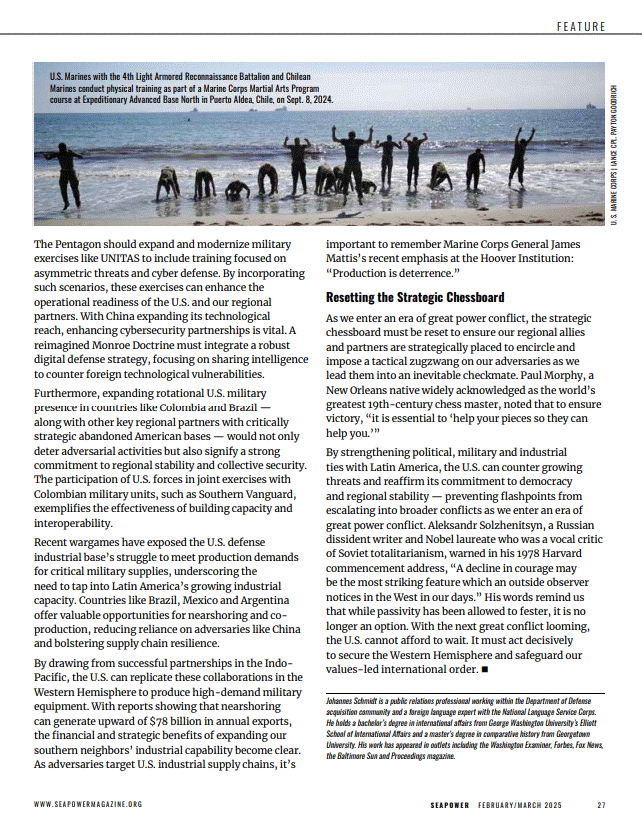
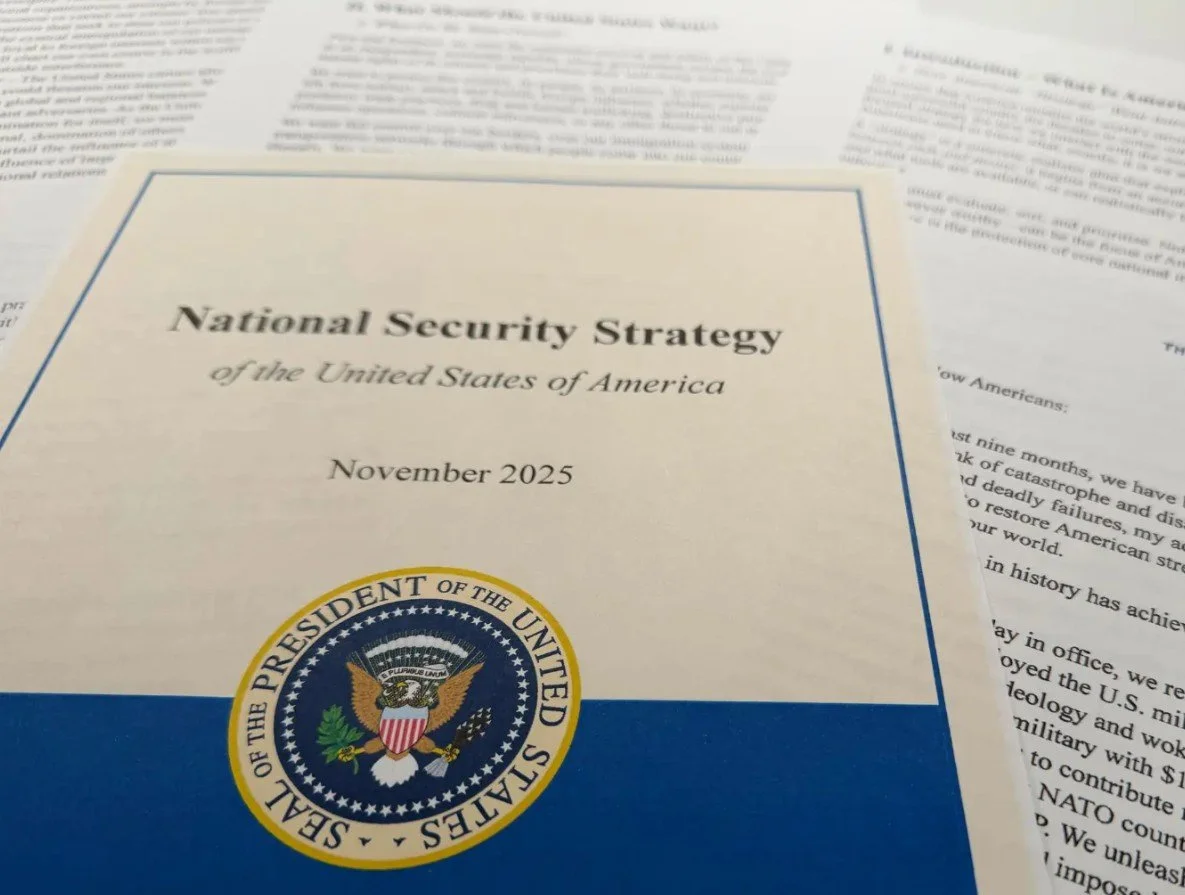
Western Hemisphere: The Trump Corollary to the Monroe Doctrine
“After years of neglect, the United States will reassert and enforce the Monroe Doctrine to restore American preeminence in the Western Hemisphere, and to protect our homeland and our access to key geographies throughout the region. We will deny non-Hemispheric competitors the ability to position forces or other threatening capabilities, or to own or control strategically vital assets, in our Hemisphere. This “Trump Corollary” to the Monroe Doctrine is a common-sense and potent restoration of American power and priorities, consistent with American security interests.
Our goals for the Western Hemisphere can be summarized as “Enlist and Expand.” We will enlist established friends in the Hemisphere to control migration, stop drug flows, and strengthen stability and security on land and sea. We will expand by cultivating and strengthening new partners while bolstering our own nation’s appeal as the Hemisphere’s economic and security partner of choice”
“Lo último”

A Cooperative Monroe Doctrine?
“The era of capitulating to coercion by the Communist Chinese is over.
Their growing and adversarial control of strategic land and critical infrastructure in this hemisphere cannot and will not stand. To accomplish this, our countries cannot face these shared threats alone. We have to face them together. America will confront, will deter and, if necessary, defeat these threats alongside all of you, our close and valued partners. To put America first, we will put the Americas first.”
Defense Secretary Pete Hegseth, opening remarks at the 2025 Central American Security Conference, Panama City, April 9, 2025.

The Dollar Under Siege
“The trade in local currencies is already underway, for example, between Brazil and China.” - Tatiana Rosito, Secretary for International Affairs at Brazil's Ministry of Finance
In April 2025, Fundación Andrés Bello’s China–Latin America Research Center highlighted reports that Brazil and China will trade in local currencies to reduce dollar reliance. Amid China-U.S. tensions, Brazil backs the shift to boost trade, cut costs, and support BRICS goals via the New Development Bank. The move signals growing momentum in Latin America toward financial diversification. It also underscores BRICS efforts to reshape the global economic order.
Learn more.

Partial dollarization rolls out in Cuba
On January 18, 2025, the Cuban government announced a policy of partial dollarization, allowing the U.S. dollar to circulate in select sectors such as tourism and retail. The move is intended to address Cuba’s deepening economic crisis, but access to dollars is largely limited to those with relatives abroad sending remittances.
Learn more.
US pushes for wider global dollar adoption; Hanke on deck
The Trump administration is quietly exploring ways to promote dollarisation—encouraging other countries to adopt the U.S. dollar as their primary currency—to counter China’s de-dollarisation push. Officials from the Treasury, White House, and National Security Council met with economist Steve Hanke in August to discuss how Washington could expand the dollar’s global role, potentially linking the idea to dollar-backed stablecoin policy. While no formal decision has been made, the initiative reflects growing concern over Beijing’s efforts to reduce dollar use in global trade.
Learn more.


Ecuador Cements Dollar Supremacy
On March 18, 2025, Ecuador’s President Daniel Noboa issued an executive order reaffirming the U.S. dollar as the country’s sole currency, aiming to preserve the stability gained since dollarization began in 2000. The decree comes amid debate over new currency proposals like the “ecuadollar” and directs Congress to block the Central Bank from issuing alternative currencies.
According to the central bank of Ecuador, dollarization has “generated monetary and financial stability despite the external shocks that have affected the country over the last two decades,”
Learn more.

SecDef talks adversaries, acquisition reform at USNA commencement
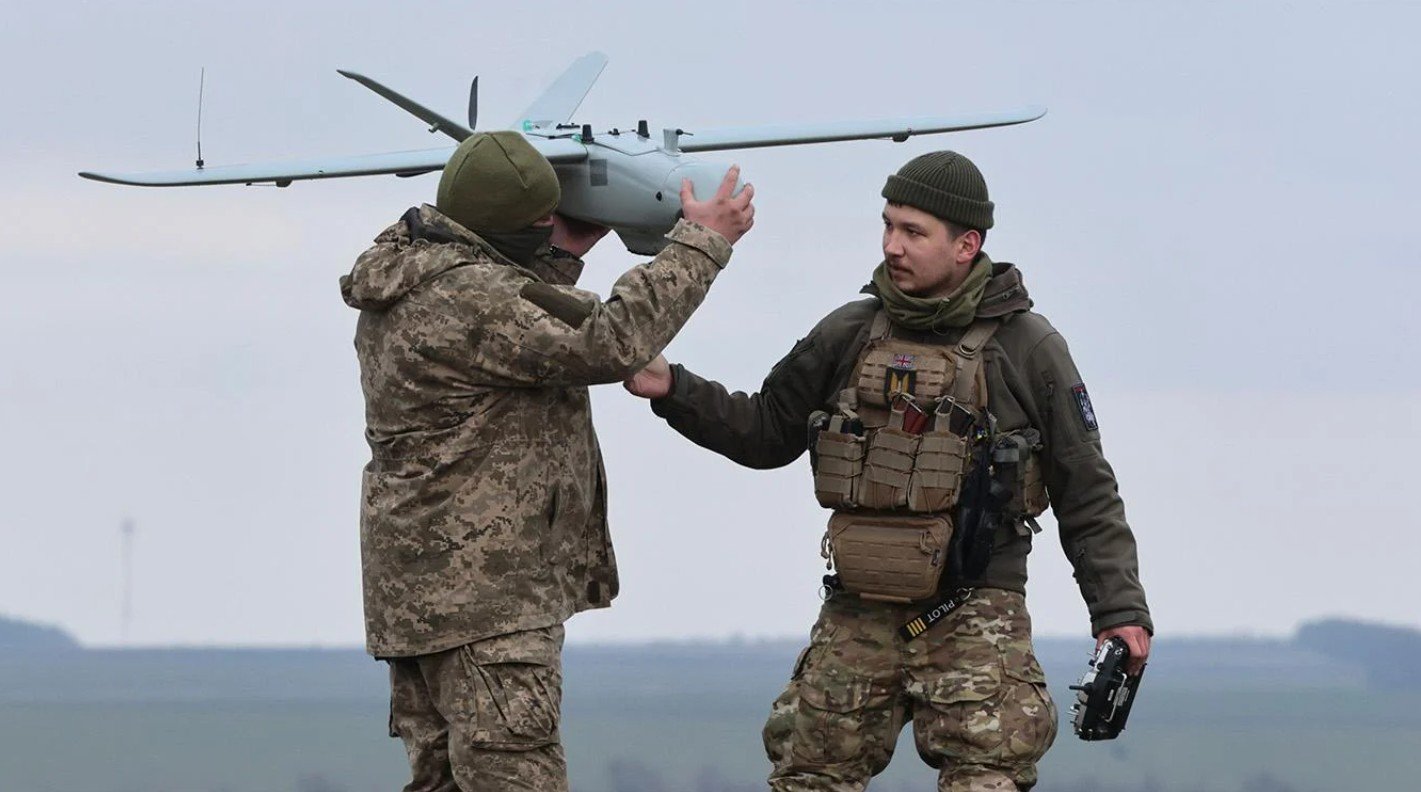
“We can no longer assume our engagements will come without cost. That’s why the Trump Administration is investing in innovation, rewarding risk-takers at the Department of Defense, and streamlining weapons acquisition for the new century. Investing in cutting-edge weaponry like hypersonics is important, but just as important are the low-cost, high-impact technologies already transforming the battlefield—like drones” Sec Def, May 23, 2025
Watch speech here.